
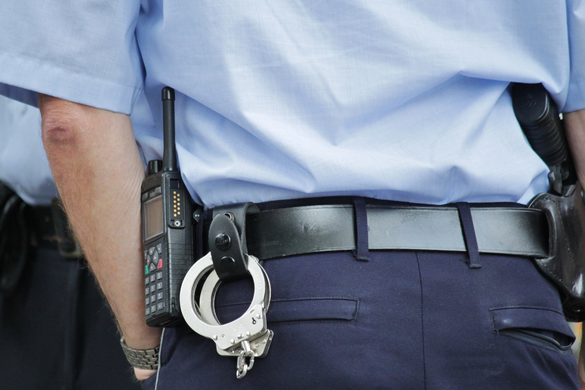
If police or a detective have asked you to come to the station for questioning, call a criminal defense attorney before you agree to the interview.
You may not know whether police consider you a witness, a suspect, or simply someone who has information. You probably do not know what evidence they already have, what other people have told them, or where the investigation is headed. Walking into an interview and trying to figure that out as you go can put you at a serious disadvantage.
The Singleton Law Firm represents people in Waukesha, Milwaukee, and throughout southeastern Wisconsin who are being investigated for crimes, including people who have not been arrested or charged yet. If police want to question you, contact our firm before you go to the station or answer questions about the investigation.
Why Would a Detective Ask Me to Come in for Questioning?
There are many reasons a detective might contact you. Police may be investigating an accusation, following up on something another person said, reviewing a theft or drug case, or trying to determine what happened during a particular incident.
The problem is that you usually have much less information than the detective.
Investigators may already have witness statements, surveillance footage, text messages, photographs, financial records, physical evidence, or statements from other people. An interview gives police an opportunity to compare what you say against information they already possess.
A detective asking for “your side of the story” does not necessarily mean you are about to be arrested. It also does not mean talking is automatically in your best interest.
Do I Have to Go to the Police Station If a Detective Calls Me?
If a detective calls and simply asks you to come in voluntarily, that is different from being arrested, detained, subpoenaed, or otherwise legally required to appear.
Do not assume you have to go simply because the request came from law enforcement. At the same time, you should not ignore the situation and hope the detective stops calling.
This is where calling The Singleton Law Firm can help. We can discuss exactly what the detective said, what you know about the investigation, and whether our firm should communicate with law enforcement on your behalf.
Can My Lawyer Call the Detective for Me?
Yes. Depending on the circumstances, your attorney can contact the detective and communicate on your behalf.
That takes you out of the position of returning a detective's call without knowing what questions are coming. It may also allow your lawyer to get more information about what investigators are looking for before decisions are made about how to respond.
What If Police Say They Just Want to Hear My Side of the Story?
Be careful with this.
Wanting to explain yourself is understandable, especially if you believe you have done nothing wrong. You may think that once police hear your explanation, they will understand what happened and the issue will go away.
An interview does not always work that way.
You may be asked about details you did not expect. Investigators can challenge your version of events, confront you with information you have not seen, return to the same subject several times, or ask about something that happened weeks or months ago. An inaccurate detail, even one caused by a faulty memory, can become something investigators focus on. If there is a good reason for you to provide information to police, that decision can be made after you have spoken privately with your attorney. You do not need to make it while sitting in an interview room.
What If the Detective Says I Am Not a Suspect?
That may be true at the time the detective says it. It does not guarantee that your status cannot change.
Wisconsin cases illustrate why the distinction matters. Courts examine the circumstances of police questioning to determine whether an interview was custodial for Miranda purposes. A person can participate in questioning before being formally arrested, and an incriminating statement by itself does not necessarily mean the person was already “in custody.”
In practical terms, do not use “you're not under arrest” or “you're not a suspect” as your only reason for deciding that an interview is safe.
Will Police Read Me My Miranda Rights Before Questioning Me?
Maybe, but Miranda warnings are not required before every conversation with police.
Miranda protections apply to custodial interrogation. Wisconsin courts look at the total circumstances to determine whether someone was in custody, including whether a reasonable person would have felt free to end the interview and leave.
This creates a common misconception. People sometimes assume that if police have not read them their rights, nothing they say can be used against them. That is not a safe assumption. A voluntary interview can become important evidence even when it begins without an arrest. Do not wait for a Miranda warning to decide whether you should have called a lawyer.
What Can Go Wrong If I Talk to Police Without an Attorney?
The risk is not limited to intentionally confessing to a crime.
You might make a statement that contradicts something police already have. You could give an inaccurate date or detail. You might confirm that you were at a particular location, knew a particular person, owned certain property, or sent certain messages. Something you consider insignificant may fill a gap in the investigation.
Police questioning can also change direction. An interview that begins with broad questions can become much more pointed as it continues.
Wisconsin cases involving police interviews show that questions about custody, Miranda rights, requests for counsel, and the admissibility of statements can become major issues later in a criminal case.
It is much better to speak with a defense attorney before the interview than to call one afterward because you are worried about something you already said.
Should I Get a Lawyer Even If I Haven’t Been Charged?
Yes, if police want to question you about conduct that could potentially expose you to criminal charges, you can hire an attorney before an arrest or charge.
You do not need a criminal complaint or Wisconsin court case number. Pre-charge representation allows a lawyer to get involved while the investigation is still happening.
That can be especially important if a detective is contacting you about allegations involving:
- Drug possession or drug distribution
- Theft or employee theft
- Domestic violence
- Sexual assault or other sex offenses
- Financial crimes
- Homicide or violent crimes
- Other felony or misdemeanor investigations
The right approach will depend on what police are investigating. The first step is finding out what you are dealing with before you voluntarily sit down and answer questions.
What Should I Do If a Detective Has Already Called Me?
Do not panic, but do not treat the call casually either.
Write down the detective's name, agency, phone number, and what you were told about the reason for the interview. Avoid discussing the investigation with other people who may be involved, and do not delete messages, records, photographs, or other potential evidence.
Then call The Singleton Law Firm.
You do not have to know exactly what police are investigating before contacting us. Tell us what happened, what the detective said, and what you know about the situation. We can discuss what to do next and, when appropriate, communicate with law enforcement for you.
Police Want to Question You? Call The Singleton Law Firm Before You Go
If police or a detective in Waukesha, Milwaukee, or elsewhere in southeastern Wisconsin want you to come in for questioning, you do not have to wait until you are arrested to call The Singleton Law Firm.
There may be decisions to make before that interview ever happens. Our firm can review the situation, advise you about the request, communicate with investigators when appropriate, and protect your interests if the investigation leads to criminal charges.
Before you call the detective back or walk into the police station, call The Singleton Law Firm.